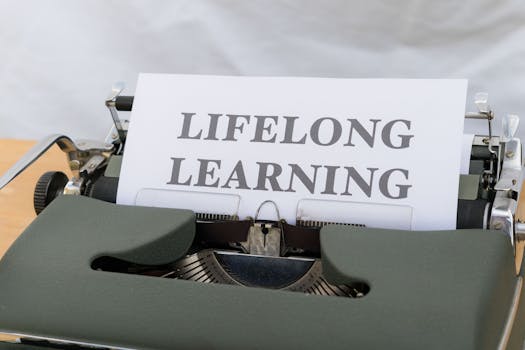
Think back to a hobby you picked up just for fun—maybe baking, gardening, or learning a language. That spark of curiosity, and the joy of discovering something new, isn’t limited to childhood or college years. It’s the heartbeat of a lifelong learning mindset.
The ability to keep learning well into adulthood shapes personal growth, career success, and adaptability in an ever-changing world. No matter your background or age, embracing learning as a continuous journey can open new doors, widen your perspective, and boost confidence.
This guide welcomes you to an exploration of practical strategies, relatable analogies, and useful examples for cultivating a lifelong learning mindset. Whether you want to refresh old skills or tackle ambitious goals, you’ll find inspiration and actionable tips right here.
Curiosity: The Engine of Lifelong Learning
Curiosity acts as the driving force behind lasting learning habits. Letting questions guide you, rather than answers define you, can transform how you approach both challenges and opportunities.
Imagine curiosity as the fuel in a car on a road trip; without it, you’d run out of motivation before reaching your next destination. Every twist and turn becomes a chance to see something new or adapt to roadblocks.
- Follow your natural interests—let genuine intrigue choose the next book, skill, or documentary you pursue.
- Ask questions in unfamiliar conversations or settings, sparking open-ended exploration rather than seeking immediate right or wrong answers.
- Set aside time each week to dive into unexplored topics, using podcasts, articles, or workshops for fresh perspectives.
- Embrace unfamiliarity as an opportunity, accepting that not knowing is a starting point for discovery and growth.
- Connect with others, sharing your questions and seeking insights from peers, mentors, or online groups.
- Document your curiosities in a journal or app, tracking interests as they develop and change over time.
By treating curiosity as an engine rather than a destination, you’ll foster ongoing engagement with the world around you, developing resilience and adaptability along the way.
Embracing Setbacks as Steps Forward
Imagine tackling a home renovation and accidentally painting a wall the wrong color. Instead of frustration, you might discover a shade you love or a new technique to try next time. Mistakes guide learning if you treat them as teachers.
Samantha, a mid-career professional, once failed a major certification test. She reconsidered her study habits, joined a peer group, and ultimately passed—gaining new friends and deeper understanding along the way.
Even Thomas Edison took countless wrong turns before inventing the light bulb, famously viewing each failure as proof of a method that did not work. Reframing setbacks provides both comfort and motivation to keep going.
If you see every mistake as one step closer to mastery, challenges shift from sources of discouragement to valuable milestones. Over time, resilience blossoms, and learning feels less like a risk and more like an adventure.
Building Habits That Nurture Growth
Consistent, small habits often have a bigger impact on lifelong learning than dramatic efforts. Developing routines that support curiosity and reflection can yield surprising long-term progress.
- Schedule daily learning time, even in 15-minute blocks; compare how learning a musical instrument requires regular practice to show steady improvement.
- Create monthly goals: just like marathon runners increment mileage, set targets for reading, attending workshops, or mastering key skills bit by bit.
- Mix formats and methods. Blend digital courses with hands-on projects or in-person discussions for a richer, more engaging experience.
- Build accountability by joining communities, study groups, or finding a learning partner—think of the motivation a gym buddy brings.
- Use reflective journaling after each session to consolidate learning. It’s similar to athletes reviewing game footage, recognizing strengths and areas for growth.
- Celebrate milestones, big or small. Mark new skills with a treat, much like a chef enjoys a meal after perfecting a challenging recipe.
- Regularly review your approach, tweaking routines as you learn more about what keeps you motivated or engaged.
Habits don’t have to be complicated or rigid. By focusing on practical routines and real-life analogies, you create a framework for continuous, enjoyable growth over time.
Navigating Change: Flexibility in Learning Paths
Two friends, Alex and Jamie, both decided to learn photography. Alex rigidly stuck to one online course, while Jamie explored photo walks, workshops, and peer critiques. Jamie’s adaptability led to broader skills and quicker growth.
People who allow themselves to change tactics—adopting new learning methods, switching focus, or adjusting timelines—often progress further. Sticking exclusively to one approach can lead to stagnation or frustration, while exploring alternatives fosters resilience.
| Learning Approach | Benefits | Drawbacks |
|---|---|---|
| Structured Online Course | Clear path, guided assignments, progress tracking | Less flexibility, may feel repetitive |
| Independent Exploration | Adaptable pace, freedom to shift focus | Lacks outside feedback, risk of losing direction |
| Community Group Learning | Peer accountability, feedback, diversity of thought | Dependent on group engagement, could slow pace |
The table above highlights the importance of balancing structure with flexibility. By blending different approaches, learners can capitalize on both stability and discovery while minimizing burnout or stagnation.
Motivation: From Sparks to Steady Flames
Motivation in lifelong learning is like kindling a campfire—the initial spark is exciting, but steady fuel keeps it burning. Small rewards and visible progress provide that ongoing energy, even when enthusiasm dips.
School reunions often reveal two paths: some classmates continue developing new skills, while others settle into routines. Those who foster internal motivation tend to keep evolving, connecting with fresh challenges long after formal education ends.
If motivation fades, try reframing goals. When preparing for a work presentation loses its appeal, tying the effort to personal satisfaction—like confidence during conversation—can reignite purpose.
Comparing yourself only to yesterday helps; like marathoners racing their own best times instead of others. Each new step forward signals improvement, no matter how gradual it feels in the moment.
Practical Tools and Resources for Everyday Learning
- Library e-book access offers endless topics and formats for curiosity-driven reading or research.
- Online short courses and MOOCs, covering subjects from coding to creative writing, open up opportunities at your own pace.
- Skill-sharing communities bring together peers for projects, feedback, and inspiration on a range of interests and hobbies.
- Learning apps on phones or tablets support micro-learning during commutes or lunch breaks, transforming spare minutes into steady progress.
- Podcasts and webinars provide expert knowledge and real-world stories that make abstract concepts relatable and tangible.
- Bullet journals and habit trackers turn goals into visual progress—seeing checked boxes builds confidence and commitment.
Selecting a few of these tools can quickly enhance your daily life, offering bite-sized learning and accessible feedback. Mixing them lets you customize your routine based on mood, schedule, and desired skillset.
Rotating your chosen tools—perhaps focusing on podcasts one week and journaling the next—prevents boredom and boosts retention. Variety keeps the mind alert, while established routines offer a reassuring rhythm.
Real-Life Scenarios: The Ripple Effect of Continued Learning
Comparing two coworkers, one who regularly updates skills and another who stays static, reveals striking differences: productivity rises, job satisfaction deepens, and new opportunities arrive for those who adapt and learn.
What if family routines included shared learning time—reading, puzzles, or music practice instead of only TV? The ripple effect would shape broader knowledge, stronger relationships, and deeper curiosity in both children and adults alike.
Imagine whole neighborhoods embracing skills exchanges or book clubs. Over time, lifelong learning spreads, shaping resilient communities that are equipped to navigate change together and support one another’s growth.
Bringing a Learning Mindset into Your Everyday Life
Lifelong learning isn’t confined to classrooms or textbooks—it’s a dynamic process woven through each conversation, project, and challenge. Attitude, curiosity, and daily habits together create a landscape where growth becomes second nature.
The more we inquire, explore, and adapt, the easier it becomes to turn setbacks into breakthroughs and challenges into stepping stones. Over time, this mindset shapes both individual fulfillment and collective resilience.
Remember, learning thrives in supportive environments. Seek out mentors, peer groups, and new perspectives to energize your routine. Personal growth not only enriches your own life but influences those around you, spreading curiosity and hope.
Whether you’re starting small or tackling ambitious goals, these tools and examples offer a starting line—one you can cross many times as you embrace learning throughout your life.
Adopt this mindset with patience and creativity. Your growth journey is lifelong. Each day’s discoveries, no matter how subtle, are victories worth celebrating.
