
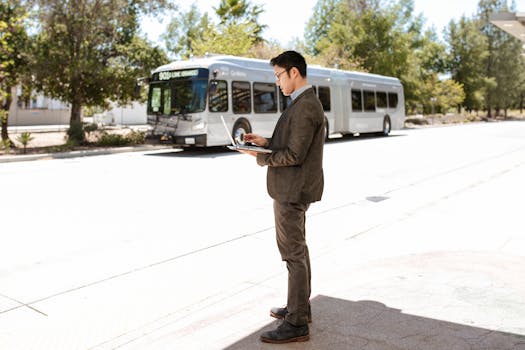
Ever imagined strolling on a beach with your laptop while keeping your career on track? The growing trend of digital nomadism makes this a reality for many. Boundaries between work and lifestyle have begun to blur.
This shift isn’t just capturing the imagination of adventurous professionals—it’s also redefining how, where, and why we work. People now prioritize flexibility and autonomy, seeking balance rather than sticking to rigid routines.
Curious about what it takes to work remotely from anywhere in the world? This guide delves into digital nomadism’s benefits, real examples, challenges, and actionable advice—helping you decide if it fits your goals.
Growing Pains and Triumphs in the Digital Nomad Lifestyle
Embarking on a nomadic journey means embracing both new freedoms and unique hurdles. Adapting to ever-changing locations requires resilience, planning, and an openness to unfamiliar environments.
Think of remote work like gardening in a different plot every month: the weather is new, the soil changes, and some places bloom while others demand more care before flourishing.
- Accessing reliable internet can be inconsistent, forcing nomads to seek co-working spaces or reliable cafes.
- Visas and legal regulations vary between countries and may complicate extended stays or work arrangements abroad.
- Creating boundaries between personal life and work hours becomes challenging, especially in new time zones.
- Medical care and health insurance coverage differ internationally, often needing extra planning and research.
- Nomads sometimes face loneliness or a lack of strong, in-person communities after moving frequently.
- Managing finances internationally, including taxes and multiple currencies, adds layers of complexity.
While this list might seem daunting, it also proves how digital nomadism shapes resourceful problem-solvers who adapt quickly and think globally.
Real Stories: Nomads in Action
Meet Sarah, a freelance graphic designer. Last year, she swapped city apartments for mountain towns across Europe. She juggled timezone shifts and learned to cherish both spontaneous hikes and tight client deadlines.
Jake, a software developer, codes from bustling South American cities and tranquil Asian beaches alike. He joined local meetups in each spot, building friendships while broadening his professional network well beyond his original home.
When Anna, a content writer, set off across Southeast Asia, she encountered unpredictable weather and Wi-Fi outages. These hurdles taught her to prepare backup plans—like downloading offline work and participating in digital nomad communities online.
These diverse stories illustrate digital nomadism isn’t about a picture-perfect Instagram feed. It’s about adapting, seeking connection, and growing through real, everyday challenges.
Key Ingredients for Location Independence
Achieving real flexibility takes more than just booking tickets. It’s about building systems—financial, logistical, and emotional—that can adapt as rapidly as your location.
- Remote Work-Friendly Employment: Roles with flexible work arrangements and deliverables—such as design, writing, programming, or consulting—allow engagement from anywhere, even across multiple time zones. Always clarify work policies with employers or clients.
- Dependable Gear and Backup Solutions: Carrying reliable work devices, power banks, and travel adaptors prevents interruptions. Cloud storage and data backups safeguard projects if gadgets or connections falter.
- International Health Care and Insurance: Access to telemedicine and global insurance minimizes risks when abroad. Research local healthcare options and potential restrictions before you depart for each new country.
- Strong Communication Routines: Scheduling regular check-ins with employers, clients, or teammates bridges the isolation of remote work and keeps projects on track regardless of your location.
- Financial Flexibility: Digital bank accounts, multi-currency cards, and knowledge of global tax rules help avoid costly surprises. Setting aside savings is crucial for emergencies or unexpected expenses.
- Structured Personal Routines: Establishing routines for work, exercise, and social time counteracts the unpredictability of new places and strengthens productivity.
- Active Community Engagement: Proactively reaching out to local or online groups helps combat loneliness and leverages the collective wisdom of the remote work world.
Combining these ingredients increases your chances of long-term nomadic success, making every transition smoother and more sustainable.
Comparing Work on the Road and Traditional Office Life
Some digital nomads marvel at the panoramic ocean view from their workspaces; others realize that moving frequently can be as stressful as it is exciting. This balance is at the heart of the lifestyle.
If you compare a nomad juggling deadlines in a café somewhere in Lisbon to an office worker sticking to a 9-to-5 cubicle routine, the differences become clear. One thrives on adaptation, the other on order.
| Aspect | Remote Nomad | Office-Based Worker |
|---|---|---|
| Workspace Variety | Globally flexible; unpredictable | Consistent; familiar setting |
| Social Interaction | Frequent new contacts, less stability | Regular, more predictable colleagues |
| Work-Life Balance | Blurred boundaries, self-managed | Defined hours, greater structure |
The table shows how digital nomads constantly adapt their days, social networks, and boundaries, compared with those who find comfort and community in a fixed place.
Adapting to Surprises: Resilience on the Road
Think of remote work as a marathon, not a sprint. Digital nomads often compare themselves to travelers who don’t pack an exact itinerary but rely on preparation and flexibility.
For example, when Emma, a web designer, arrived in Bali only to face frequent internet outages, she quickly learned to scout multiple backup locations, much like seasoned commuters always know multiple routes home.
Some nomads, like freelance photographers, realize quickly that not every city is equally inspiring or safe for their work. So, they compare options, scout neighborhoods, and adapt their expectations.
Ultimately, flexibility—both psychological and logistical—determines how well someone manages change. Overcoming challenges is less about avoiding surprises and more about staying calm, focusing on goals, and adjusting plans as needed.
Remote Tools Fueling the Nomad Movement
- Cloud-based file sharing for seamless project management, even on shaky Wi-Fi connections.
- Online collaboration suites that keep teams connected across continents and time zones.
- Digital payment platforms allow for quick, secure transactions with clients worldwide.
- Time-tracking and productivity apps to structure days and batch deadlines when traveling.
- Secure VPNs and two-factor authentication for improved work security and data privacy.
- Travel apps for real-time booking, translation, and currency exchange assistance.
- Online learning modules for skill-building and professional upskilling.
Using remote-first tech improves digital nomads’ productivity and addresses many logistical challenges—making life on the move smoother.
The right set of tools helps you work smarter, not harder. It’s like building a digital toolbox, ensuring every journey is more efficient, safe, and professionally rewarding.
Diverse Destinations and Choices in Digital Nomadism
Some nomads follow the sun, chasing summer across hemispheres, while others opt for budget-friendly cities with dynamic online communities. The motivations behind destination choices vary greatly.
Consider two friends: One prefers Bangkok for its vibrant coworking spaces, the other goes for Lisbon for its laid-back pace and creative scene. Their choices show there’s no one-size-fits-all path.
Imagine what if a popular destination suddenly hiked visa fees? Nomads might shift focus, favoring countries rolling out new digital nomad visa programs or offering longer stays for remote workers.
Remote work enables these lifestyle experiments, creating comparisons between exploring a new city every month and setting roots for six months or more to deepen experiences and local ties.
Looking Beyond: The Future and Social Impact
As technology blurs borders, digital nomadism continues pushing boundaries. The pandemic highlighted how many jobs can be done remotely—leading companies to rethink their old office expectations and adopt more flexible policies.
What if future cities embrace remote workers with dedicated zones or incentives? That could shape global economies and foster cultural exchange, turning locations into hotspots for innovation, similar to startup hubs.
Global inequality comes into focus, as only some roles or people enjoy location independence. As digital nomadism grows, it’s important to address accessibility, fair pay, and sustainable development in host communities.
The Lasting Appeal of Digital Nomadism
Digital nomadism turns the world into a workplace, offering a mix of freedom, new experiences, and ongoing challenges. Balancing security with adventure is core to those who choose this lifestyle.
Ultimately, remote work isn’t an escape from responsibility but an invitation to rethink how you define achievement and balance. Every journey contributes to both personal growth and the broader evolution of work culture.
The trend shows no sign of disappearing, as remote technology and global mobility improve. For those longing for more, digital nomadism offers a viable, ever-shifting pathway to fulfillment.
Whether you’re viewing mountain sunsets after finishing a project or simply longing for the flexibility to work your way, digital nomadism provides tools and ideas for crafting a work-life rhythm that fits you best.
